Featured
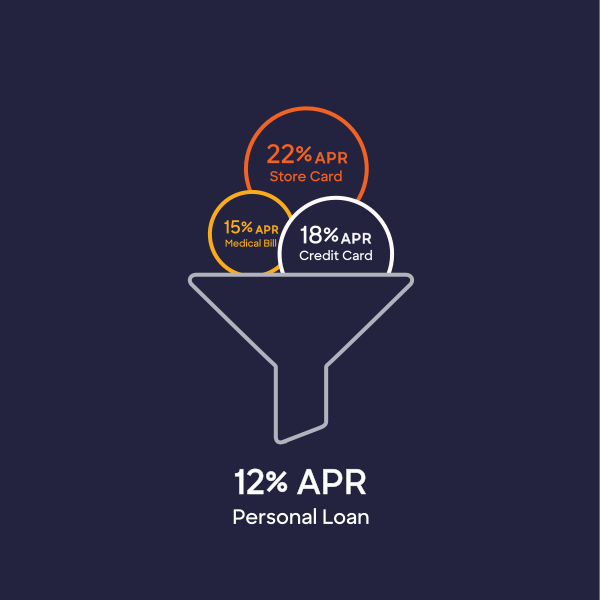
Table of Contents
Financial obligation combination is the procedure of combining multiple financial obligations into a single loan with one regular monthly payment. If you're handling credit card balances, medical expenses, personal loans, or other financial obligations in 2026, consolidation can streamline your monetary life. The goal is basic: reduce monetary tension, possibly save money on interest, and produce a clear path to ending up being debt-free.
1 Understand the fundamentals of combining multiple financial obligations into a single loan with one regular monthly payment. 2 Discover how debt consolidation can lower your interest rate, simplify payments, and potentially enhance your credit report. 3 Learn which financial obligations are great prospects for consolidation and which ones to approach with caution.
Rather of juggling a number of charge card costs, medical payments, and other obligations every month, you make a single payment to one loan provider. This approach streamlines your finances and can reduce the overall interest you pay with time. Numerous Iowa families use financial obligation consolidation to regain control of their financial resources. When you have credit card balances with rates of interest above 20%, combining those financial obligations into an individual loan with a lower rate can conserve hundreds or even countless dollars each year.
Managing payment due dates, interest rates, and minimum payments across a number of accounts develops stress and increases the danger of missed payments. by giving you one foreseeable monthly payment with a clear benefit date. When you work with a local loan provider like FSB, you get customized guidance on whether consolidation makes sense for your circumstance.
Effective Strategies for Reducing Consumer Debt in 2026
You then use this loan to pay off your credit cards, medical bills, or other obligations. Your brand-new loan normally comes with a fixed interest rate and set payment term, often between two and seven years.
1 Include up all balances you want to combine, consisting of interest rates and month-to-month payments. 3 Submit your application with proof of income and financial obligation details.
5 Focus on one foreseeable payment till your debt is completely paid off. Making an application for a financial obligation consolidation loan involves reviewing your existing debts, inspecting your credit report, and figuring out how much you need to obtain. Lenders evaluate your income, existing debt obligations, and credit history to determine your interest rate and loan terms.
Choosing the Right Payment Reduction Program for 2026Having a relationship with a neighborhood bank means you get personal service instead of automated decisions. Before using, collect your most recent declarations for all financial obligations you desire to combine. Having precise balances and interest rates accelerate the application procedure and assists you get accurate loan quotes. As soon as authorized, you get funds to pay off your existing financial obligations.
, you close those accounts or keep them open with zero balances, depending on your credit method. This consistency can in fact enhance your credit score over time, particularly if your previous debt load was causing high credit utilization.
Assessing Counseling versus Loans in 2026
This difference can translate to substantial savings over the life of your loan. Beyond the numbers, consolidation reduces mental problem. You stop fretting about which costs is due when. You stop determining whether you can afford minimum payments throughout multiple accounts. You gain clarity and control over your monetary situation.
, making consistency vital for structure or keeping good credit. Financial obligation consolidation creates a basic system you can adhere to month after month. You likewise acquire the benefit of a fixed payment quantity. Unlike credit cards with variable minimum payments, your consolidation loan payment remains the exact same throughout the payment period.
Choosing the Right Payment Reduction Program for 2026Paying off credit cards reduces your credit usage ratio, which accounts for 30% of your score. Keeping those cards open after payoff keeps your offered credit, additional enhancing this ratio.
Payment History (35%) Positive Impact Credit Usage (30%) Favorable Impact Credit Rating Length (15%) Neutral Impact Credit cards without a structured repayment plan can take decades to settle if you only make minimum payments. You know that in 3 years, or five years, or whatever term you pick, you will be debt-free if you stick to the payment schedule.

These include charge card balances, medical costs, personal loans, and some types of shop funding. The crucial aspect is that these debts are not tied to collateral like a house or cars and truck. Consolidating high-interest credit card financial obligation makes the most sense financially. If you bring balances on multiple cards, specifically those with rates above 15%, combination can offer instant relief through lower interest charges.
Using Debt Estimation Tools for 2026
Their high rate of interest and revolving nature make them expensive to carry long-term., you transform a revolving balance into a structured repayment strategy with a lower rate. After debt consolidation, you can keep your credit cards open for emergencies or small purchases you pay off month-to-month. The key is avoiding running up balances again after debt consolidation.
Medical bills often carry no interest at first however can go to collections if unpaid, destructive your credit. Combining medical financial obligation into a personal loan safeguards your credit and supplies a manageable payment plan. Some medical providers offer payment strategies, but these might still impact your credit usage if reported to credit bureaus.
If you have existing individual loans or high-interest payday advance, consolidating them can decrease your total interest problem. Payday advance in particular carry very high reliable rates of interest. can save you significant money and break the cycle of restoring short-term, high-cost financial obligation. Federal student loans ought to not be combined through a personal loan.
Benefits of Nonprofit Debt Counseling in 2026
Keep federal trainee loans separate from your debt combination strategy. Federal trainee loans need to not be combined through an individual loan. These loans use special advantages like income-driven payment plans and prospective forgiveness programs. Secured debts like mortgages and vehicle loans normally ought to not be combined with unsecured financial obligation, as this can put your security at threat.
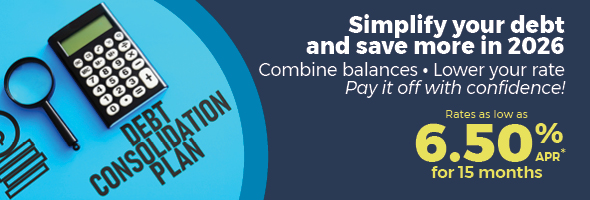
The right technique depends on your credit report, the amount of debt you carry, and whether you own a home. Best for the majority of circumstances Repaired rates and terms Predictable regular monthly payments No collateral required Clear payoff timeline Best for short-term financial obligation 0% introduction APR durations Balance transfer charges use Requires great credit Should settle before discount ends Best for house owners with equity Lowest interest rates Home functions as security Tax advantages may use Danger of foreclosure if unpaid Personal loans from banks or credit unions use fixed rates and terms, making them predictable and simple.
This approach works well for those with great to outstanding credit who desire a simple solution. Some credit cards offer advertising durations with 0% interest on balance transfers.

Latest Posts
Strengthen Financial Literacy With Proven Education
Evaluating Top Methods for Paying Debt in 2026

Essential Tips to Reducing Monthly Payments Via Consolidation